Trauma Therapy in Norwich, Norfolk and Online Across the UK

Gentle, trauma-informed counselling and psychotherapy at a pace that feels manageable
Trauma can affect how you feel, think, relate to other people and experience your body. You may feel anxious, constantly alert or unable to relax. You might experience intrusive memories, nightmares, shame, emotional numbness or a sense of being disconnected from yourself. Perhaps you avoid certain people, places or situations, or find that apparently small events trigger reactions that feel difficult to understand or control.
You do not need to have a diagnosis or be certain that what happened to you “counts” as trauma before asking for support. Sometimes distress follows a single event. At other times, it develops through repeated experiences such as criticism, bullying, emotional neglect, abuse, unsafe relationships or not receiving the care and protection you needed. The effects may become apparent immediately or emerge much later.
I offer trauma-informed counselling and psychotherapy from my private practice in Freethorpe, near Norwich, Norfolk, as well as online and by telephone across the UK. Together, we can explore what is happening for you with compassion, curiosity and respect—without expecting you to face everything at once.
How trauma may affect you
When something feels threatening or overwhelming, the nervous system responds automatically to help us survive. Even when the danger has passed, the body and mind can continue to react as though it is still present. These responses are not signs of weakness or failure. They may be ways in which you learned to protect yourself during circumstances that felt unsafe, unmanageable or beyond your control.
Trauma can affect everyone differently. You may be experiencing:
anxiety, panic or a persistent sense that something bad will happen;
feeling constantly on guard, easily startled or unable to relax;
intrusive thoughts, upsetting memories or nightmares;
emotional numbness, shutdown or disconnection;
feeling detached from yourself, your body or your surroundings;
shame, guilt, anger, sadness or low self-worth;
difficulty trusting people or feeling safe in relationships;
people-pleasing, overworking, perfectionism or difficulty setting boundaries;
avoiding reminders, situations, emotions or conversations;
poor sleep, exhaustion or difficulty concentrating;
physical tension or sensations connected with stress and emotional distress; or
coping patterns that concern you, including isolation, substance use, self-harm or difficulties around food.
You may recognise several of these experiences or only one. We will focus on your individual experience rather than trying to fit you into a label.
Physical symptoms can have many possible causes. Please speak to your GP or another appropriately qualified healthcare professional about new, persistent or unexplained symptoms.
Trauma is not always one identifiable event
Some people seek therapy following a clearly recognisable event, such as an accident, assault, bereavement, traumatic birth or sudden loss. Others have been affected by experiences that happened repeatedly or within important relationships.
Childhood abuse, emotional neglect, domestic violence, bullying, rejection, repeated criticism or inconsistent care can shape how safe you feel with yourself and other people. You may have learned to suppress emotions, anticipate other people’s needs or hide parts of yourself to preserve a relationship or reduce the risk of rejection. These adaptations may once have helped you cope but can create difficulties in adult life.
You do not need a complete memory of the past for therapy to be meaningful. If your memories are unclear or limited, we can begin with what you notice now—your emotions, physical responses, beliefs, relationships and the patterns you would like to understand or change.
A safe and carefully paced approach
Beginning trauma therapy can feel daunting. My first priority is to understand what you are experiencing now and help you develop practical ways to respond to difficult emotions and sensations without becoming overwhelmed.
You will not be expected to tell your whole story immediately, relive an experience in detail or disclose anything before you feel ready. We will approach difficult material gradually, in manageable amounts, while paying attention to your window of tolerance. If something does not feel right, you can say so, pause or choose a different direction.
The aim is not to force feelings away. It is to help you notice and understand your responses with less fear, develop a greater sense of safety and gradually increase your capacity to make choices in the present.
Therapy shaped around you
I am an integrative therapist, so I do not assume that one method will suit everyone. Our work will be collaborative and tailored to your circumstances, preferences and goals.
Depending on what feels appropriate, I may draw upon:
counselling and psychotherapy;
trauma-informed stabilisation and emotional-regulation skills;
body awareness and Somatic Experiencing exercises;
breathwork, grounding and visualisation;
parts work and inner-child work;
Emotional Freedom Techniques (EFT);
hypnotherapy; and
metaphor and other creative approaches.
I will explain any approach I suggest so that you understand what it involves and can make an informed decision about whether you wish to try it. We will regularly review what is helpful and adapt our work where necessary. No particular technique will be imposed upon you.
The body, emotions and nervous system
Trauma is not experienced only through thoughts and memories. An upsetting thought, situation or reminder can activate the body’s threat response, while physical sensations can influence how you think and feel.

As part of our work, I may help you notice changes in your nervous system—for example, when you move towards anxiety, agitation and hypervigilance, or towards numbness, shutdown and disconnection. Gentle body-based and grounding exercises may help you return towards a steadier state in which it feels easier to think clearly and make choices.
You remain in control of the process. Body-based work does not require physical contact, and we will only use exercises that have been discussed and feel acceptable to you.
The importance of the therapeutic relationship
Many emotional wounds develop within relationships, so the relationship between therapist and client can be an important part of trauma therapy.
I aim to offer a warm, reliable and non-judgemental space in which you feel heard and respected. We can explore your reactions and patterns with curiosity rather than blame. Over time, a consistent therapeutic relationship may help you develop greater trust in your own feelings, needs and boundaries, as well as a kinder and more compassionate relationship with yourself.
My role is not to tell you how to live or to decide what your experiences mean. I will work alongside you, helping you understand yourself more fully and discover a way forward that feels authentic and sustainable.
What might trauma therapy help you work towards?
Everyone’s aims and experience of therapy are different. Depending on your needs, our work may help you to:
understand your triggers and protective responses;
regulate difficult emotions more effectively;
feel more present and connected with yourself;
reduce the influence of shame and self-blame;
recognise beliefs and coping patterns that no longer serve you;
develop greater self-compassion;
communicate your needs and establish healthier boundaries;
feel less reactive and more able to choose how you respond;
build a practical set of tools to use outside therapy; and
reconnect with your strengths, relationships and hopes for the future.
Therapy is an individual process, and no particular result can be promised. Healing does not necessarily mean becoming completely unaffected by the past. It may mean gaining greater understanding, freedom and resilience so that past experiences have less control over how you live now.
About Melanie Hoggett
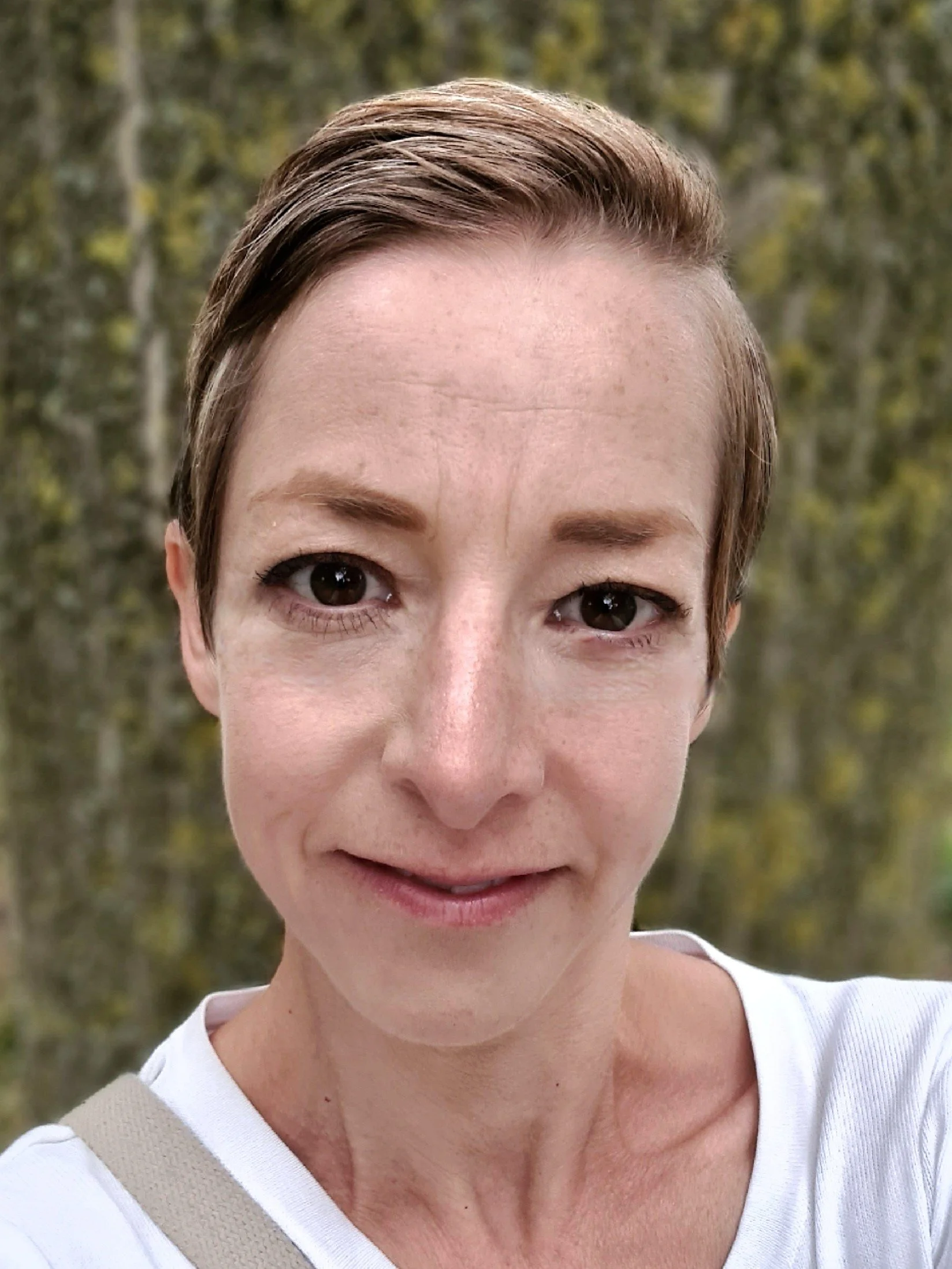
I am an experienced integrative therapist and a Senior Accredited Member of the National Counselling and Psychotherapy Society. My qualifications and specialist training include:
Professional Diploma in Psychotherapeutic Counselling Practice;
Clinical Trauma Professional, Level 2 (CCTP-II);
Certified Shame-Informed Treatment Specialist (CSTS);
Diploma in Hypnotherapy; and
EFT Level 3 Advanced Practitioner and Accredited Certified Advanced Member of EFT International.
My continuing professional development has included working with childhood abuse, rape trauma and domestic violence; emotional triggers and trauma-informed stabilisation; sensorimotor psychotherapy for complex trauma; trauma healing through the senses; and attachment, grief and the biology of trauma.
I am also a Mind credentialled therapist, a Bupa-recognised therapist and registered with Aviva, subject to the terms of each person’s insurance policy. I work in accordance with the professional and ethical codes of the National Counselling and Psychotherapy Society and EFT International.
Find out more about my qualifications and experience
Trauma therapy in Freethorpe and online
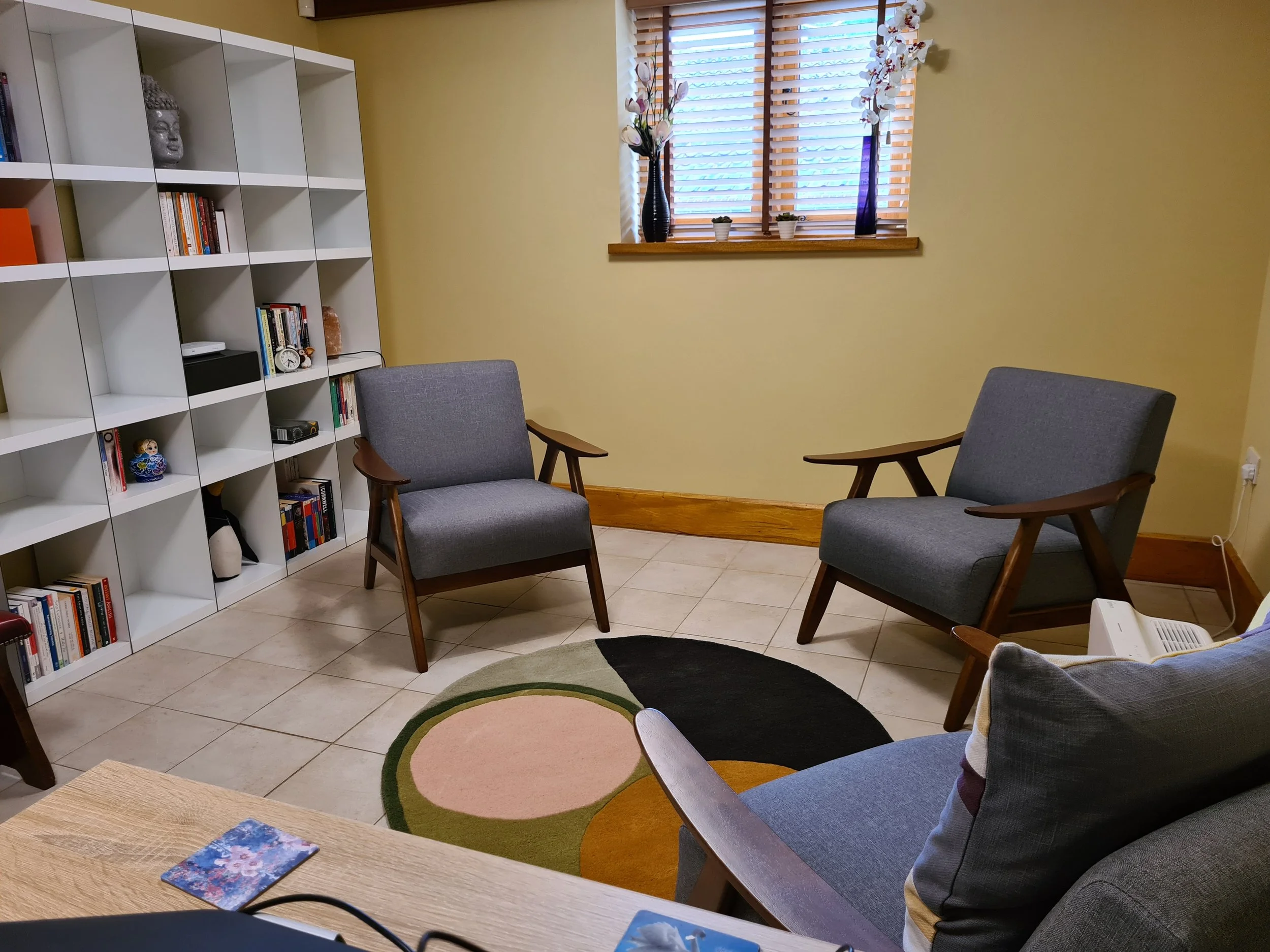
Face-to-face sessions take place at my private practice in Freethorpe, conveniently situated for people travelling from Norwich, Great Yarmouth, Acle, Brundall, Blofield, Reedham, South Walsham and surrounding areas of Norfolk.
I also offer online video and telephone therapy across the UK. For some people, working from their own familiar environment can make therapy more accessible and comfortable. Online therapy is not suitable for every person or circumstance, so we will consider together which arrangement best supports your needs and safety.
Individual counselling and psychotherapy sessions last 50 minutes. My standard fee is £60 per session, with weekday daytime and evening appointments available.
Taking the next step
Finding a therapist with whom you feel comfortable matters, particularly when seeking support for trauma. I offer a free, no-obligation 15-minute introductory telephone or online call. This gives you an opportunity to tell me briefly what you are looking for, ask questions about my approach and consider whether working together feels right.
You do not need to explain everything during this first conversation. We can simply begin with what you need from therapy and what would help you feel comfortable taking the next step.
Important information
MJB Counselling is not an emergency or crisis service. If you or someone else is in immediate danger, call 999 or attend A&E. For urgent mental-health support, contact NHS 111 and select the mental-health option where available. You can also call Samaritans free on 116 123.
Therapy is not a substitute for medical assessment, diagnosis or emergency care. Please speak to your GP or another qualified healthcare professional about new, persistent or unexplained physical symptoms and before changing prescribed treatment.