Hypnotherapy

Hypnosis is a state of focused attention in which you may feel deeply relaxed and more absorbed in your inner experience. It can be similar to becoming engrossed in a book, music or a film, although everyone experiences hypnosis differently.
You are not asleep or unconscious. You remain aware, in control and able to speak, move, reject a suggestion or stop at any time. Hypnotherapy is a collaborative process: I do not control your mind or make you do anything against your values.
During a session, I use carefully chosen language, imagery and therapeutic suggestions to help you focus on the changes you would like to make. Research indicates that hypnosis can influence attention, perception and aspects of brain activity. Evidence also suggests that it may be helpful for certain concerns, although responses vary and no outcome can be guaranteed.
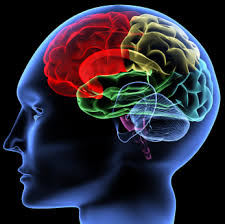
Thoughts, beliefs and patterns
Our beliefs and habitual responses develop through a mixture of life experiences, relationships and repeated ways of thinking. Some patterns may once have helped us cope but can become restrictive over time.
You may recognise thoughts such as:
“I’m not good enough.”
“I can’t do it.”
“Something is wrong with me.”
“I always fail.”
“Change is too difficult.”
“I don’t belong”
“People will judge me”
When thoughts like these become automatic, they can affect confidence, emotions and behaviour. They are not necessarily facts, and therapy can provide a safe space to examine them with curiosity rather than judgement.

How hypnotherapy may help
Hypnotherapy may help you become less caught up in unhelpful thoughts and more open to constructive alternatives. Depending on your needs and the way I work with you, sessions may include relaxation, therapeutic suggestion, imagery, mental rehearsal and approaches informed by counselling and CBT.
Change is individual and usually requires your active participation. Some people notice a difference quickly, while others need more time and practice. We will agree realistic aims together and review how the work is progressing.
What can hypnotherapy support?
People may seek hypnotherapy to support:

relaxation and stress management;
confidence and self-esteem;
sleep difficulties;
fears, phobias and performance nerves;
changing unwanted habits;
preparation for public speaking, exams or tests;
perceived pain management, alongside appropriate medical care;
stopping smoking, alongside personal commitment and other suitable support.
Please contact me if you would like to discuss whether hypnotherapy may be appropriate for your particular concern. Where symptoms could have a medical cause, or where specialist assessment or treatment is needed, I may ask you to speak to your GP or another suitably qualified healthcare professional first.
Frequently Asked Questions
Will I lose control?
No. Hypnosis does not make you unconscious or place you under someone else’s control. You will remain aware and able to speak, move, reject suggestions or stop the session at any time. Hypnotherapy is a collaborative process, and I will only work towards goals we have agreed together.
Can everyone be hypnotised?
Most people can experience hypnosis if they are willing to participate, although everyone responds differently. You do not need to reach a particular level of relaxation for hypnotherapy to be helpful. I will adapt the approach to your individual needs and preferences.
How many sessions might I need?
This varies according to your goals, circumstances and response to therapy. Some people find that a small number of sessions is sufficient, while others benefit from longer-term support. We will discuss your aims at the outset and regularly review your progress. No particular result or timescale can be guaranteed.
Are online sessions available?
Yes, hypnotherapy sessions can take place online, allowing you to participate from a comfortable and private space. Before the session, please make sure you will not be interrupted and that you are somewhere safe to relax. Online hypnotherapy is not suitable while driving, travelling or caring for someone who requires your immediate attention.

Learning self-hypnosis
Where appropriate, I can teach you self-hypnosis so that you have a relaxation and focusing technique to use between sessions and after our work has ended.
I can also provide a hypnotherapy recording in MP3 format for your personal use. Recordings should only be used when you are in a safe place to relax—never while driving, cycling or operating machinery.
Important information
Hypnotherapy is not a substitute for medical diagnosis, treatment or urgent mental-health support. I do not provide medical advice or diagnose medical conditions. If you have a diagnosed physical or mental-health condition, are receiving treatment, or are concerned about unexplained symptoms, please consult your GP or relevant healthcare professional. In an emergency, contact the emergency services or an appropriate crisis service.
The possible benefits and limitations of hypnotherapy will be discussed with you before we begin. Results vary, and no specific outcome can be guaranteed.